
What it's like to work as a Primary Care Clinician at One Medical
Many clinicians exploring a career at One Medical want to know what day-to-day practice actually looks like.
While every role, clinic, and patient population is different, One Medical's care model is built around relationship-based primary care, team-based healthcare delivery, and technology-enabled support. For Primary Care Clinicians, that means the work extends beyond individual appointments to include ongoing patient relationships, collaboration across care teams, preventive care, and coordinated support throughout the patient journey.
If you are considering a Primary Care Clinician role, understanding how care is delivered can help you decide whether the position aligns with your interests, practice style, and long-term career goals.
What does a typical day look like for a Primary Care Clinician at One Medical?
A typical day starts before the first patient visit. Clinicians begin by reviewing their schedule, connecting with the care team and preparing for the day ahead.
Throughout the morning, clinicians see patients for preventive care, chronic disease management, acute concerns and wellness visits. Dedicated support staff help manage labs, coordination and patient flow, allowing clinicians to stay focused on patient care.
Midday often includes collaboration with colleagues, follow-up on patient needs and care planning. Because care is team-based, clinicians work alongside others to help ensure patients receive coordinated support throughout their healthcare journey.
In the afternoon, clinicians continue patient visits, review information in 1Life, complete documentation and connect with patients who need follow-up care. Throughout the day, purpose-built technology supports communication, documentation and care coordination.
The result is a practice environment centered on relationships, continuity of care and meaningful patient connections rather than simply moving patients through appointments.
Patient relationships are central to the experience
One Medical's approach to care emphasizes long-term relationships between clinicians and patients.
For many clinicians, one of the most rewarding parts of primary care is the opportunity to understand a patient's health concerns in context, build trust over time, and support them through different stages of their healthcare journey.
Relationship-based care allows clinicians to move beyond one-time interactions and develop a deeper understanding of patient goals, histories, and care needs. This approach supports more personalized conversations and can create a stronger sense of connection between clinicians and the people they serve.
Team-based care is part of everyday practice
Primary care often requires coordination across multiple people and functions. At One Medical, clinicians are supported by a collaborative care model designed to help teams work together around patient needs.
Dedicated support staff handle labs, coordination and patient flow, helping clinicians stay focused on patient care. Rather than working in isolation, primary care clinicians collaborate across teams to support continuity of care and the patient experience.
For candidates who enjoy sharing knowledge, learning from teammates, and working toward common goals, the collaborative nature of the environment may be an important aspect of the role.

Technology supports care delivery
Technology plays an important role in the One Medical care model.
The organization highlights technology and workflows designed to streamline processes, support care delivery, and reduce unnecessary administrative complexity. One Medical's proprietary EHR, 1Life, was built by clinicians and designed around how clinicians actually work. Purpose-built technology supports communication, documentation, care coordination and patient engagement throughout the care journey. Clinicians don't just use the technology. Their feedback helps inform future enhancements and improvements across the platform.
The goal is not to replace the clinician-patient relationship. Technology helps clinicians stay focused on patient care while simplifying administrative tasks that take time away from patients.
What is the workload like?
One Medical's care model helps clinicians focus on patients rather than administrative complexity. Dedicated support staff handle labs, coordination and patient flow, while purpose-built technology supports documentation and communication. Clinicians are evaluated based on outcomes, not volume, with no RVU targets. The goal is to create an environment where clinicians can spend more time with every patient and build meaningful long-term relationships. One Medical's team-based approach means clinicians work alongside colleagues who help support continuity of care and the patient experience, allowing them to focus on delivering high-quality care.
What makes One Medical different from traditional primary care environments?
One Medical combines relationship-based care, team-based support and purpose-built technology to create a different primary care experience.
Clinicians benefit from:
• More time with every patient — standard, not the exception• Outcomes over volume — no RVU targets
• Dedicated support staff who help manage patient flow and coordination
• A proprietary EHR built by clinicians and designed around how clinicians actually work
• Opportunities to contribute feedback that helps shape future technology
Career growth and development
One Medical employees have access to onboarding, continuing education and leadership development programs that support growth at every stage of their careers.
Clinicians can deepen their clinical expertise, mentor colleagues, contribute to operational initiatives and explore leadership opportunities while helping shape the future of primary care delivery.
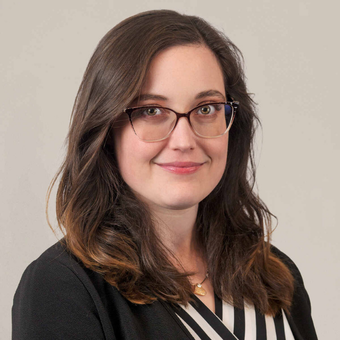
"I love working at One Medical because it gives me the space to practice medicine the way I always hoped I would. I have the time to build meaningful relationships with patients, tackle complex problems, and partner with people over the long term rather than simply treating the issue of the day."

"A clunky process that took 15 minutes to pull information from multiple documents was transformed into a two-click workflow after a designer observed how I worked. That human-centered approach delivered a technology-powered solution that makes it easier for me to care for our members."
Frequently asked questions
What types of patient needs do Primary Care Clinicians support?
Primary Care Clinicians care for patients across preventive care, chronic condition management, acute concerns, wellness visits and ongoing healthcare needs. The role combines clinical expertise with long-term relationship building and continuity of care.
How does One Medical approach preventive care?
Preventive care is a core part of the care experience at One Medical. Clinicians partner with patients on screenings, wellness discussions, health goals and ongoing care that supports long-term health outcomes.
What is 1Life?
1Life is One Medical's proprietary EHR, built by clinicians and designed around how clinicians actually work. It supports documentation, communication and care coordination throughout the care journey.
Can clinicians provide feedback on technology tools?
Yes. Clinician feedback helps shape future technology enhancements and improvements. Clinicians don't just use the technology, they help influence how it evolves over time.
How are clinicians evaluated at One Medical?
One Medical focuses on outcomes over volume, with no RVU targets. The care model is designed to support meaningful patient relationships while helping clinicians deliver high-quality care.
How much autonomy do clinicians have at One Medical?
Clinicians are trusted to build relationships with patients, guide clinical decision-making and contribute ideas that help shape the future of care delivery and technology. NPs and PAs manage their own panels with full autonomy.

Is a Primary Care Clinician role at One Medical right for you?
A Primary Care Clinician role is a good fit for candidates who value:
• Relationship-based care
• Long-term patient connections
• Team-based healthcare delivery
• Preventive care and whole-person health
• Collaboration and communication
• Technology-enabled care environments
• Continuous learning and professional development
• Contributing to a patient-centered healthcare experience
Ultimately, the best way to determine fit is to learn about the specific role, speak with the hiring team, and evaluate how the position aligns with your professional goals, preferred practice environment, and interests.
Learn more
Sign up for job alerts
Be the first to know about career opportunities that will transform healthcare
Sign up